
The Allure of Chance and Uncertainty
The thrill of gambling in casinos often stems from the excitement associated with chance and uncertainty. Players are drawn to the idea that they could win big with just a single bet, igniting a powerful emotional response. This unpredictability creates a sense of adventure, often likened to a rollercoaster ride where the potential for both exhilaration and disappointment is part of the experience. Many enthusiasts also enjoy playing online slots that pay real money, adding to the thrill of potential gains within the digital realm.
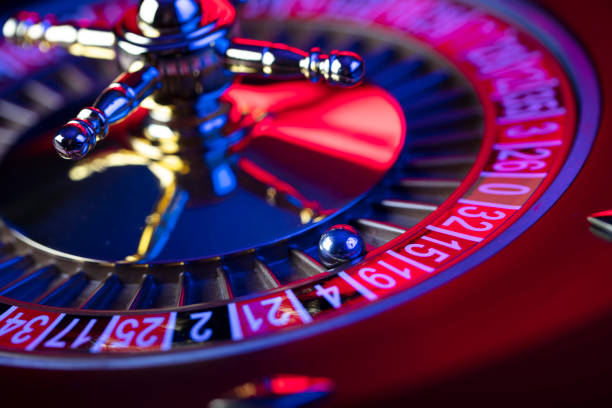
This emotional high can be addictive, as the brain releases dopamine, a chemical associated with pleasure, when experiencing wins or even the anticipation of potential victories. This psychological response reinforces the behavior, compelling players to return for more, eager to chase that next big win.
The Role of Social Interactions
Casino environments are often bustling with social interactions, which can be a significant motivator for players. The social aspect of gambling allows individuals to connect with others, share experiences, and collectively celebrate wins. For many, visiting a casino is more than just a chance to win money; it is an opportunity to engage in a communal activity that fosters camaraderie and social bonding.
Moreover, the presence of fellow gamblers can create a supportive atmosphere, encouraging players to take risks they might not take when playing alone. This shared experience can heighten the enjoyment of the game, making every spin or roll feel more significant and communal.
The Desire for Escape
For some individuals, casino gambling serves as an escape from reality. The immersive environment of a casino, complete with vibrant lights, sounds, and the thrill of the game, can transport players away from their everyday stresses and responsibilities. This experience of escapism can be appealing, particularly for those seeking relief from personal issues or life challenges.
Additionally, the high-energy atmosphere can provide a temporary distraction from problems, allowing players to immerse themselves in a world where they can momentarily forget their worries. This aspect of gambling highlights the psychological need for diversion and entertainment, making it an attractive option for many.
Cognitive Biases and Illusions of Control
Cognitive biases play a significant role in how players perceive their chances of winning. Many gamblers fall victim to the illusion of control, believing they can influence the outcome of games, even those that are purely based on chance, like slot machines or roulette. This psychological phenomenon leads players to develop strategies they believe will improve their odds, despite the randomness of the games.
The gambler’s fallacy, the belief that past events affect future outcomes, also contributes to this mindset. Players might think that after a series of losses, a win is due, motivating them to continue playing longer than they should. These cognitive distortions can lead to unrealistic expectations and risky behaviors, further fueling the cycle of gambling.
Discovering a Wealth of Information
For those looking to delve deeper into the psychology behind casino gambling, our website offers a wealth of information and resources. We focus on providing engaging and insightful content that explores various aspects of gambling, from the psychological motivations to the social dynamics at play.
By prioritizing user experience and security, we aim to create an informative platform where readers can explore this fascinating topic safely. Join us as we uncover the complexities of casino gambling and understand what drives players to engage in this exhilarating activity.