
The evolution of gambling through history a journey of chance and strategy
The Ancient Roots of Gambling
The origins of gambling can be traced back thousands of years, with evidence of dice and betting games found in ancient civilizations such as Mesopotamia and Egypt. These early forms of gambling often intertwined with religious and cultural practices, with dice made from bones or stones being used in sacred rituals. This connection between chance and divination illustrates how gambling was more than mere entertainment; it played a role in societal norms and decision-making processes. Today, players can experience new thrills by trying out the ice fishing casino, which combines excitement with traditional gameplay.

In ancient Rome, gambling became more organized, with various forms of betting emerging among the populace. Gladiatorial contests and chariot races provided ample opportunities for wagers, reflecting the Roman fascination with competition and risk. The establishment of laws regarding gambling, although restrictive, highlighted its significance within the culture. As societies advanced, the complexity of gambling evolved, paving the way for more strategic approaches that would emerge in later centuries.
The transition from informal gambling to structured games marked a pivotal moment in history. With the introduction of playing cards in China around the 9th century, new games that combined chance and skill began to take shape. These innovations laid the groundwork for modern gambling, influencing game design and the development of strategies that players would later adopt to enhance their chances of winning.
The Age of Exploration and Its Impact on Gambling
The Age of Exploration in the 15th and 16th centuries brought about significant changes in gambling practices, as European cultures mingled with those of the New World. As explorers returned with tales of new games and betting practices, there was a burgeoning interest in gambling as a form of leisure. This period saw the rise of gambling houses and the establishment of lotteries, which not only offered entertainment but also served as fundraising mechanisms for public works.
During this time, card games became increasingly popular across Europe, leading to the emergence of strategic gambling techniques. Players began to analyze the probabilities associated with different hands and develop strategies to maximize their winnings. The creation of rules and systems reflected a growing understanding of mathematical principles, enabling players to approach gambling not just as a game of chance but as one of skill and strategy.
The integration of gambling into social life during the Age of Exploration also fostered a sense of community and competition. Cities began to host gambling events that attracted large crowds, turning these games into social spectacles. This newfound popularity further solidified the role of gambling in society, setting the stage for its evolution into a regulated industry in the following centuries.
The Industrial Revolution and Modern Gambling
The Industrial Revolution marked a transformative period for gambling, with urbanization leading to the establishment of casinos and betting establishments in major cities. This era saw the birth of modern gambling as a structured industry, complete with regulations and laws that governed its operations. The introduction of mechanical devices, like slot machines, revolutionized the gambling landscape, making games more accessible to the public.
During this time, gambling strategies evolved significantly. Players began to use statistical analysis and probability theories to inform their betting decisions. Games such as blackjack and poker gained immense popularity, not only for their reliance on luck but also for the strategic depth they offered. Players honed their skills, leading to a culture of competitive play that emphasized knowledge and strategy alongside chance.
The establishment of reputable casinos further legitimized gambling as a form of entertainment. With the introduction of government regulation, players felt more secure in their wagers, leading to a surge in participation. This era of modernization laid the foundation for the sophisticated gambling landscape we see today, where technology and strategy continue to play pivotal roles in the player’s experience.
The Digital Era: Online Gambling and Advanced Strategies
The advent of the internet brought about a seismic shift in the gambling industry, paving the way for online casinos and virtual betting platforms. This digital transformation revolutionized how people engage with games of chance, allowing players to access their favorite games from the comfort of their homes. The convenience of online gambling has attracted a global audience, making it a multi-billion-dollar industry almost overnight.
With the proliferation of online gambling, players have started employing advanced strategies that leverage data analytics and software tools. These strategies range from card counting in blackjack to employing game theory in poker. Online platforms provide a wealth of data, enabling players to track their performance and refine their strategies continuously. This data-driven approach has transformed gambling into a more analytical pursuit, where informed decisions can significantly enhance a player’s chances of success.
Moreover, the rise of interactive games, including live dealer formats, has combined traditional gambling with cutting-edge technology. Players can engage with live dealers in real-time, fostering a social atmosphere akin to that of physical casinos. As the industry evolves, the integration of artificial intelligence and machine learning promises to further enhance the gaming experience, offering tailored gameplay options that cater to individual preferences and strategies.
The Future of Gambling: Trends and Innovations
The future of gambling is poised for exciting advancements, driven by emerging technologies such as virtual reality and blockchain. These innovations are set to reshape the gambling landscape, creating immersive experiences that blend the thrill of chance with advanced strategic elements. Virtual reality casinos could offer players a fully immersive environment, simulating the atmosphere of real-world gaming while incorporating unique gameplay features.
Blockchain technology promises to enhance the security and transparency of online gambling. By enabling secure transactions and decentralized gaming platforms, players can enjoy peace of mind while engaging in their favorite activities. This shift towards transparency could lead to more responsible gambling practices, as players have access to clear information regarding odds and payouts.
As gambling continues to evolve, the balance between chance and strategy will remain a central theme. New games will emerge, blending elements of skill and luck in innovative ways. This ongoing journey reflects a broader cultural fascination with risk-taking and strategy, ensuring that gambling will remain a dynamic and engaging aspect of human experience for generations to come.
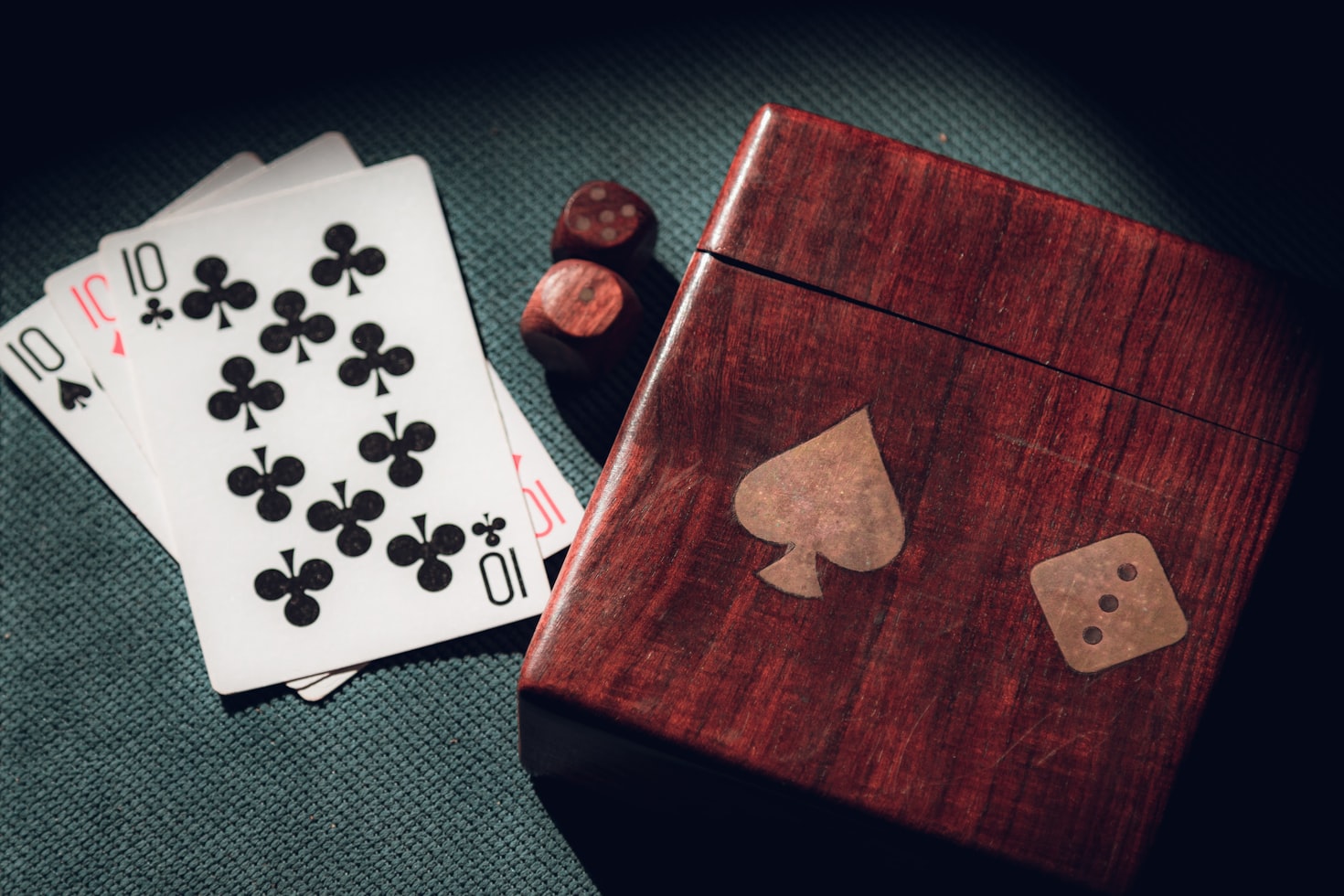
Discovering the Future of Gambling Online
As the digital landscape continues to evolve, the world of online gambling offers endless opportunities for players seeking excitement and innovation. Players can explore a variety of games, ranging from classic slots to interactive casino experiences, each designed to cater to a diverse audience. With constant advancements in technology, online casinos are set to provide increasingly engaging environments that incorporate strategic gameplay.
Many online platforms prioritize player support and offer comprehensive resources, helping newcomers navigate the exciting yet complex world of gambling. These resources include guides on game strategies, tips for maximizing potential winnings, and insights into the best available bonuses. By leveraging these tools, players can make informed decisions and enhance their overall gambling experience.
The future of online gambling promises not only thrilling games but also a sense of community among players. With live dealer options and interactive gameplay, players can enjoy a social aspect reminiscent of traditional casinos, all while employing advanced strategies to elevate their chances of winning. The journey through the history of gambling continues, and it is clear that the blend of chance and strategy will remain at its core.